 Cart is empty
 When the snow sets in and the wind picks up, stepping into a warm sauna can feel like the best part of winter. Outdoor saunas in Canada are built to turn cold, dark evenings into something cozy and peaceful. But not every setup can handle the kind of winter we see here. Between heavy snow, freezing rain, and nights that stretch well below zero, our winters can be rough on anything left outside.
That’s why it helps to know what makes a sauna last through the season. There are a few key things to think about once the cold moves in. It starts with how a sauna is built, how it holds heat, and where you place it. The rest comes down to smart planning and staying ahead of the snow.
Built to Handle Snow and Ice
For a sauna to work well through a real Canadian winter, the outside has to be strong enough to take on months of snow, sleet, and freezing rain. Heavy snow on the roof and cold air creeping through weak spots can take the comfort out of an outdoor sauna quickly.
• Roofs need to be solid enough to hold extra weight and sloped so the snow can slide off rather than pile up.
• Walls should be thick and well-built, not just for warmth, but to keep cold wind from getting in. A good sauna holds heat without leaking it.
• Strong door seals, tight seams, and added insulation between panels all help keep the heat stable, even when the temperature drops overnight.
Many saunas use cedar or other dense woods, and there’s a reason for that. Cedar holds up well as temperatures bounce back and forth. It won’t crack from the cold and it resists moisture, which makes it easier to maintain over time.
The structure of a sauna matters just as much as the materials used. Well-built frames and strong corners give the whole building better support, and quality craftsmanship can make a big difference once you’ve gone through a few rough winters. Regular checks on these parts help make sure nothing is letting in wind, melting snow, or cold drafts. Over time, these precautions are what keep the sauna inviting and safe, even during a big storm.
Picking a Heat Source That Works in the Cold
When it’s -20 and snowing hard, the last thing you want is to be stuck waiting for your sauna to warm up or find that the heat doesn’t work at all. The right heater makes winter sauna use simple and reliable.
• Electric heaters are common because they’re steady, quick to turn on, and easy to control. Once installed, there’s not much to think about.
• Wood-burning stoves take a little more work, but some people enjoy them for their heat output and dry warmth. Just be sure you’ve got dry wood ready to go.
• Whatever you choose, it should be rated for outdoor use and set up by someone who knows how to handle cold-weather installations.
A strong setup helps prevent performance issues during the coldest parts of winter. It should heat quickly and stay consistent without overheating or shutting down from exposure. Whether you lean toward electric or wood, both can work well if the sauna is built right around them.
It’s also important to have a heater that stays safe as weather changes. Make sure your heater is well protected from snow blowing inside. A cover can be handy for extra protection, making sure that moisture doesn’t affect wiring or moving parts. Regular maintenance in the winter can help, especially after snowstorms. If you know you’ll want to use the sauna several times a week, choose a heater that’s easy to set and forget, so the heat is always just right.
Choosing a Sauna Shape That Suits Winter Use
There are a few sauna shapes you’ll see in backyards across Canada, each with certain benefits when the snow starts falling. Picking the shape that fits your space and use habits makes winter sauna breaks more enjoyable.
• Barrel saunas are round, which helps shed snow off the top naturally. They also warm up fast since there’s less unused space inside.
• Cabin-style saunas are boxy with more headroom and wider benches. That makes them better for stretching out or sharing with others.
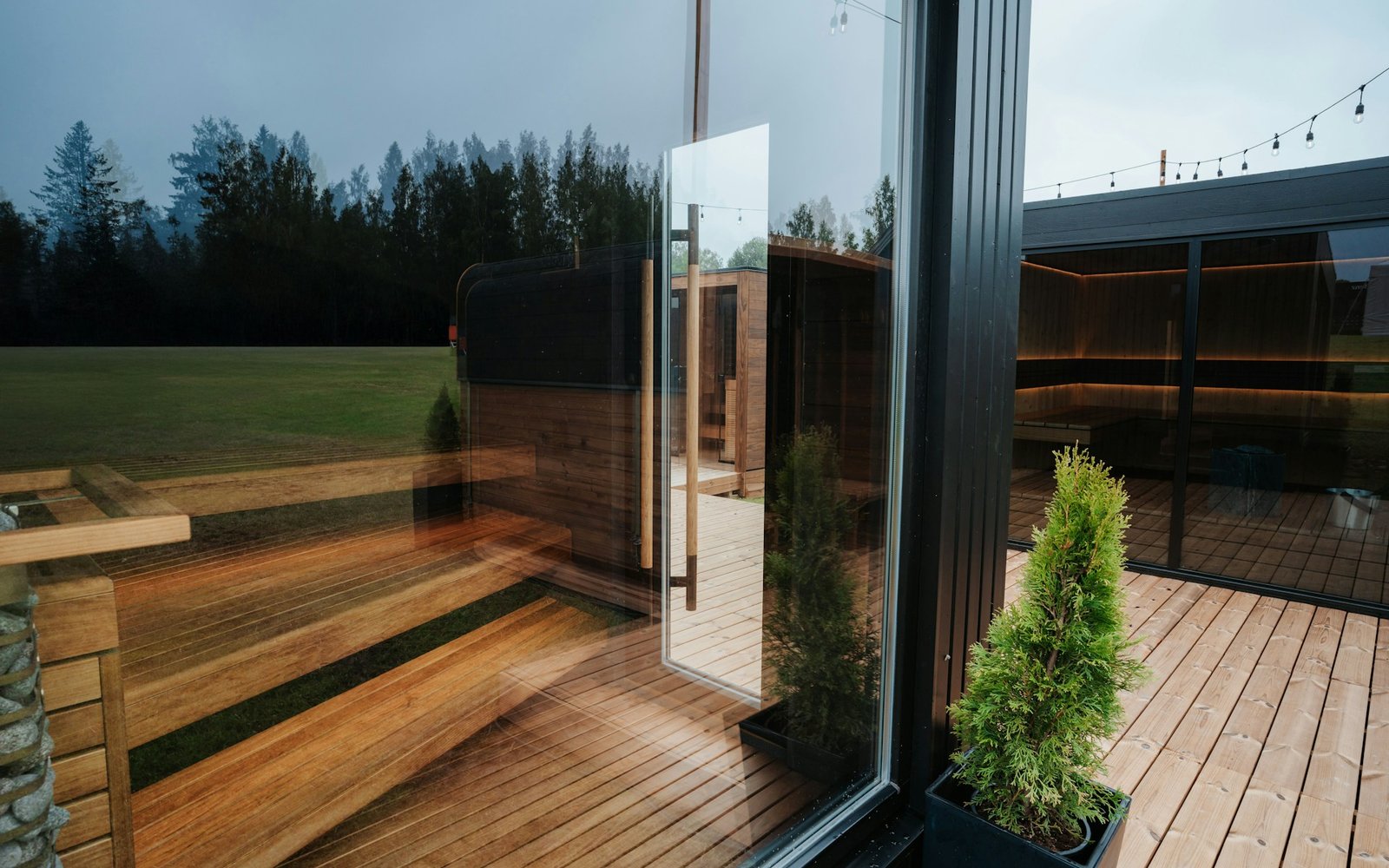
• Some modern cube shapes offer big windows for a more open feel, though some people prefer small, warm spaces in the middle of winter.
Your decision may come down to how you plan to use it. If it’s just you and a short session most days, a smaller shape that heats fast may be best. If you’re sharing the space with friends or family, more room might matter more than fast warm-up times.
Sauna shapes also affect how the outside looks beside your home. Barrel saunas tend to have a classic, simple style, while cabins and cubes can blend into decks or yards more easily. Think about your space and how easy it will be to move around the sauna after heavy snow or if you want to expand your setup later. The right shape can even influence how much cleaning you need to do to keep snow away from windows and doors.
Placing the Sauna for Easy Winter Access
Where you set up the sauna affects how much you use it once winter kicks in. Even a few extra steps in deep snow can make you think twice, especially on windy days. A smart location keeps the sauna close, simple to reach, and protected from the harshest weather.
• Try to keep the sauna as near to the house as possible so you’re not facing a long walk in freezing temps.
• If you can, set it near a deck or under a low overhang so snow doesn’t pile up right at the door.
• Windbreaks like fences or hedges can provide shelter, making the short trip outside feel less harsh.
Avoiding icy patches is just as important. Snow that melts and refreezes overnight creates slippery paths. If the ground between the house and sauna is uneven or full of puddles, use raised paths or brush away snow often. Little things like mats or non-slip steps make year-round use easier and safer.
The path from your home to your sauna doesn’t have to be complicated, but it should be thoughtful. If you usually get a lot of snow, consider a path that is easy to clear quickly, like pavers or a wooden walkway. Lighting can also make cold evening trips safer and more inviting. Simple solar lamps or string lights along the path can help you get to and from the sauna with less worry about slipping or losing your way after dark.
Keeping It Ready Without Much Trouble
Once the sauna is set up and running, most people want to use it often without too much effort. In winter, that means staying ahead of snow buildup, checking inside after use, and catching small issues before they cause problems.
• Wipe up extra moisture after each sauna session, especially near vents or electrical points.
• Keep a dry path clear with a shovel or brush so you’re never stepping over icy spots.
• Check the door, seals, and heater settings once in a while, especially during cold snaps or major storms.
You don’t need to babysit your sauna, but a few small routines after each use help it stay in good shape. It should be easy enough that you can keep relaxing through the winter without running into surprises.
Some people leave a small towel by the door for quick touch-ups, or set reminders to look for ice or snow after a big storm. Regular care doesn’t add much time to your routine but keeps things running smoothly. Keeping the floor dry and the door closed tight means you get the same warm welcome every time you step in, making winter relaxation simple and ongoing.
A Warm Way to Enjoy Cold Weather
Saunas from Dundalk Leisure Products, available at Backyard Canada, are built specifically to handle Canadian winters with features like thick cedar walls and insulated roofs for better heat retention. You can pick from barrel, cabin, or modern cube styles, giving you solid options for both solo relaxation and gathering with friends. These materials and shapes help keep your winter sauna sessions warm, safer, and more enjoyable even on the coldest days.
At Backyard Canada, we’ve seen how much comfort a well-built sauna can bring during long, snowy seasons. When the structure is sound and the heat source reliable, it makes stepping out into the cold something you actually look forward to. If you’re thinking about your own setup, it helps to start with the right materials and plan. You can see what matters most when choosing from our selection of outdoor saunas in Canada. We’re happy to help with any questions about making your winter sauna perfect for the Canadian climate.